

Ajaxer – Ajaxify Your WordPress Site and Comments | WP Plugin
Original price was: $21.00.$4.20Current price is: $4.20.
Traditional WordPress theme navigation forces a full browser re-render on every page transition, interrupting media playback and increasing server overhead. Ajaxer converts standard navigation clicks, comment submissions, and search forms into asynchronous requests using the HTML5 History API.
Ajaxer is a dynamic page loading plugin built for WordPress developers and site administrators seeking fluid content transitions without page reloads. Leveraging HTML5 state handling, CSS3 animations, and SCSS, it eliminates visual page flashes while maintaining clean URL structures. This tool is best suited for portfolios, blogs, and custom themes needing dynamic loading. It is not recommended for sites built on complex single-page app (SPA) frameworks that manage routing independently.
| Parameter | Specification |
|---|---|
| Product Type | WordPress Performance Plugin |
| Current Version | 1.05 |
| Core Technologies | HTML5 History API, CSS3, SCSS, JavaScript |
| Browser Compatibility | Chrome, Firefox, Safari, Edge, Internet Explorer (IE9 to IE11) |
| Preconfigured Themes | Avada, X Theme, Atelier, Marketify, Twenty Sixteen, Twenty Fifteen, Everbox |
| SEO Status | SEO Neutral (Preserves normal URL structures and crawling) |
Core Features and Functionality
- HTML5 History API Integration: Updates the browser location bar without full page reloads, preserving back/forward browser button navigation.
- Four Transition Modes: Custom visual effects for page entrances and exits.
- SCSS Powered Styles: Modular stylesheet architecture allowing developers to customize visual states easily.
- Form Ajaxification: Extends asynchronous loading to native WordPress comment forms and search forms.
- Predefined Theme Integration: One-click preset configurations for major commercial and default themes.
- Cross-Browser Support: Fully functional across modern mobile and desktop browsers, extending back to legacy IE9.
Technical Options and Selector Management
Ajaxer provides precise control over DOM elements, script lifecycle execution, and browser caching during asynchronous page updates:
- Content Selector: Defines the target DOM element (e.g.,
.site-inner) replaced during each page change. - Menu Selector: Identifies active navigation elements (e.g.,
.nav-primary) to automatically update state and highlight active menu items. - Script Lifecycle Handling: Offers options to reload specific scripts, re-initialize all page scripts, or strip document-ready wrappers from re-initialized code.
- DOM Element Insertion: Allows developers to append or insert extra content containers (like audio player footers or external headers) before specific CSS selectors.
- Client-Side Page Caching: Stores fetched page states in browser memory to deliver instant back-and-forth navigation.
- Body Class Synchronization: Automatically updates the
<body>element classes to match incoming page layouts.
Update History
- Version 1.05: Added support for custom preloader HTML structures.
- Version 1.04: Introduced page caching toggles, body class updates, script execution adjustments, and navigation context fixes inside wrapper elements.
- Version 1.03: Added selector exclusion settings and automated theme setup for Marketify.
- Version 1.02: Implemented AJAX functionality for comment forms and search forms, along with full mobile device support.
- Version 1.01: Added cursor preloaders, re-init settings, and configuration presets for Atelier.
Frequently Asked Questions
Does using Ajaxer negatively affect search engine optimization (SEO)?
No. Ajaxer relies on the native HTML5 History API to update browser URLs statefully. Search engine crawlers process standard HTML links normally, ensuring site indexability and page rankings remain intact.
What happens if theme scripts stop working after an AJAX page transition?
The plugin includes dedicated script re-initialization options. You can specify exact script tags to reload, strip document-ready blocks, or enable the global script re-initialization toggle to ensure third-party interactive elements execute properly after content loads.
How do I set up Ajaxer on custom or unlisted WordPress themes?
Configuration requires inputting your target theme’s primary content container and navigation selectors (such as .content-area or .main-navigation) into the plugin settings panel. Step-by-step selector identification instructions are included in the setup documentation.
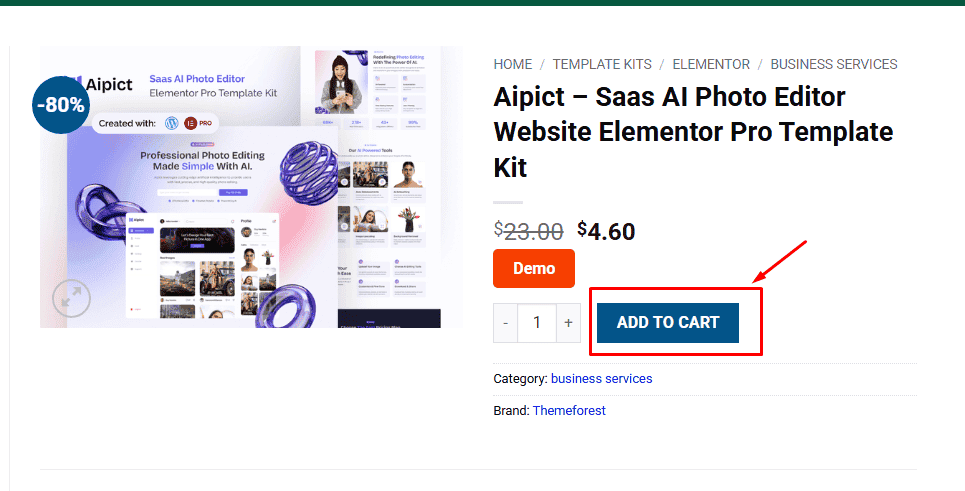
1. Click Add to cart
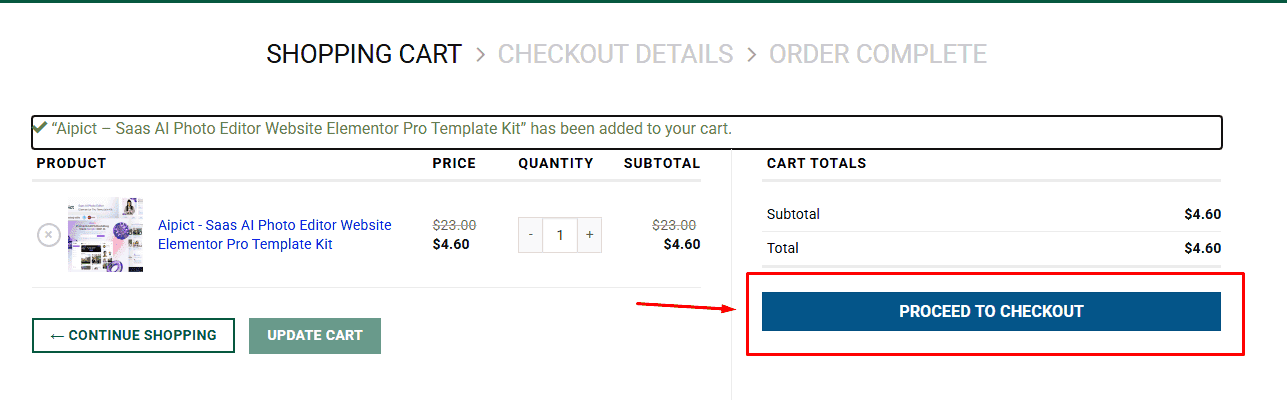
2. Review your items and click Proceed to checkout
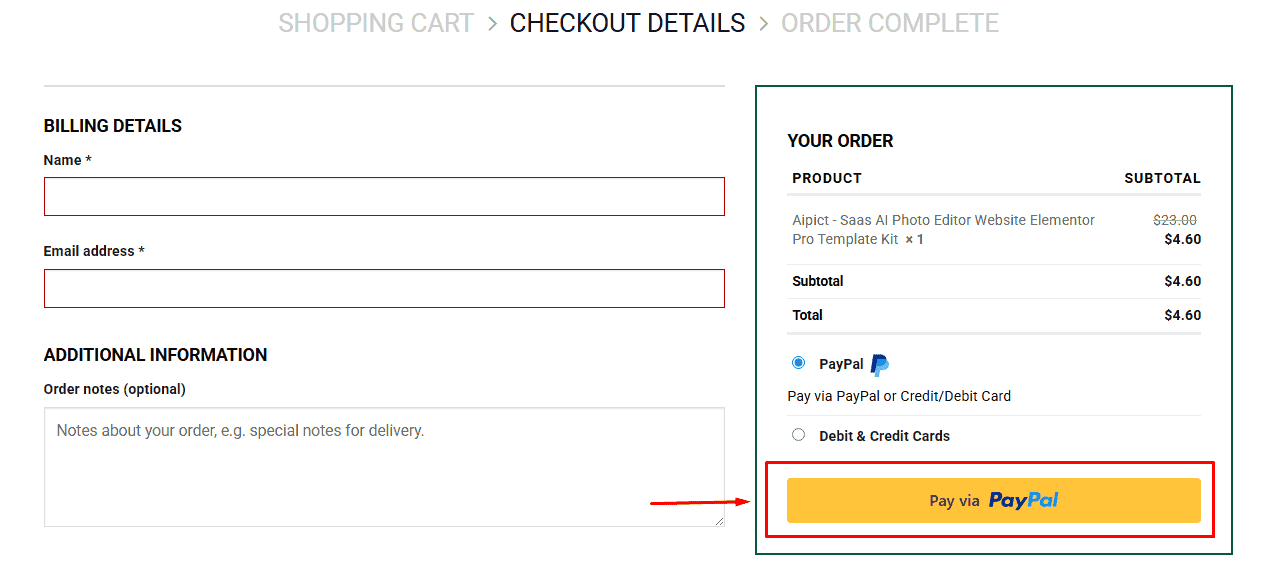
3. Fill in your billing details: Name, Email, and Password
4. Choose your preferred payment method
5. Click Pay via Paypal to proceed
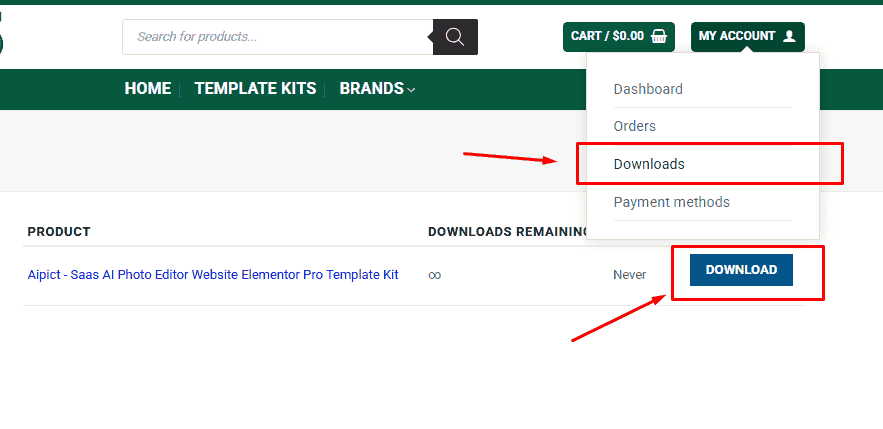
6. Access Downloads to get your files
Related products


