

UberSlider – Layer Slider WordPress Plugin | Touch Responsive
Original price was: $19.00.$3.80Current price is: $3.80.
Managing dynamic visual headers without slowing down site performance or writing custom CSS animations from scratch remains a persistent challenge for WordPress developers. UberSlider provides a structured solution by bundling four distinct interactive slider engines into a single plugin, giving site creators fine-grained control over layered image and text animations.
UberSlider is a versatile WordPress layer slider plugin engineered for web developers, content creators, and digital agencies needing animated visual banners. Built around lightweight JavaScript and HTML5/CSS canvas logic, it enables multi-layer animations, mouse-tracking parallax, and dynamic video backgrounds. It is ideal for creative portfolios, business headers, and interactive landing pages, but may be unnecessarily complex for simple sites requiring basic static image slideshows.
| Technical Parameter | Specification Details |
|---|---|
| Platform Compatibility | WordPress (Multi-instance support) |
| Included Engine Variants | Classic, Perpetuum Mobile, Mouse Interaction, Ultra |
| Predefined Skins | 2 Styles (Bullets & Thumbnails) |
| Supported Layer Types | Text (HTML/CSS formatted), Images, HTML5, YouTube, Vimeo |
| Interactivity Features | Touch-swipe navigation, Mouse-interaction parallax, Continuous rotation, Perpetuum move |
| Display Modes | Fixed Dimensions, Full Width, Sidebar Banner Mode |
Engine Variants & Layout Capabilities
The plugin is split into four specialized functional versions, allowing web designers to select the optimal animation behavior for their project:
- Classic Engine: Standard multi-layer directional text and image animations. Supports customized circular timing controls, directional entrances (top, bottom, left, right), and embedded video playback.
- Perpetuum Mobile Engine: Features continuous looping background layers and endless layer transitions, alongside rotary motion parameters for rotating specific graphic elements indefinitely.
- Mouse Interaction Engine: Tracks user cursor movement across the slider canvas, generating subtle reactive displacement for visual depth on desktop viewports while preserving swipe capabilities on mobile screens.
- Ultra Engine: Designed for asynchronous multi-background movement, enabling complex multi-plane depth adjustments through customizable parameter offsets.
Core Features and Customization Controls
Every slider variation within the package includes built-in controls to fine-tune both visual presentation and user experience:
- Multi-Layer Positioning: Combine an unlimited number of transparent image layers and HTML-formatted text blocks on a single slide.
- Mobile Gesture Support: Full touch screen navigation support across iOS and Android browsers, with a parameter available to disable responsive scaling when fixed layouts are required.
- Media Integration: Direct support for YouTube, Vimeo, and HTML5 video playback embedded into layers.
- Flexible Control Options: Toggles for autoplay, infinite looping, navigation controller visibility, custom target links (
_blankor_self), and customizable circular timers. - Multi-Instance Support: Place multiple sliders on the same page, each configured with separate skins, dimensions, and transition settings.
Frequently Asked Questions
Does UberSlider support mobile touch gestures?
Yes, all four slider engines included in UberSlider feature native touch screen navigation support for mobile browsers on iOS and Android. Additionally, developers can toggle responsive behavior on or off per slider instance based on specific project requirements.
Can I embed self-hosted videos or YouTube links inside individual slides?
UberSlider supports HTML5 self-hosted video files as well as third-party video embeds from YouTube and Vimeo directly within slide layers. You can embed video players alongside text and graphic layers within the interactive canvas.
Is it possible to display multiple slider instances on a single WordPress page?
Yes, the plugin allows administrators to insert multiple slider instances into the same page layout. Each instance operates independently and can utilize distinct visual skins, fixed or full-width dimensions, and unique layer settings.
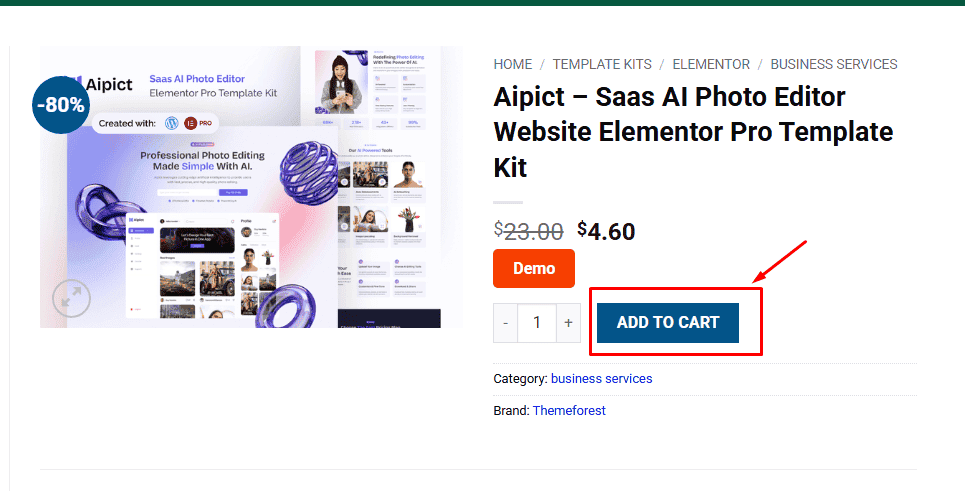
1. Click Add to cart
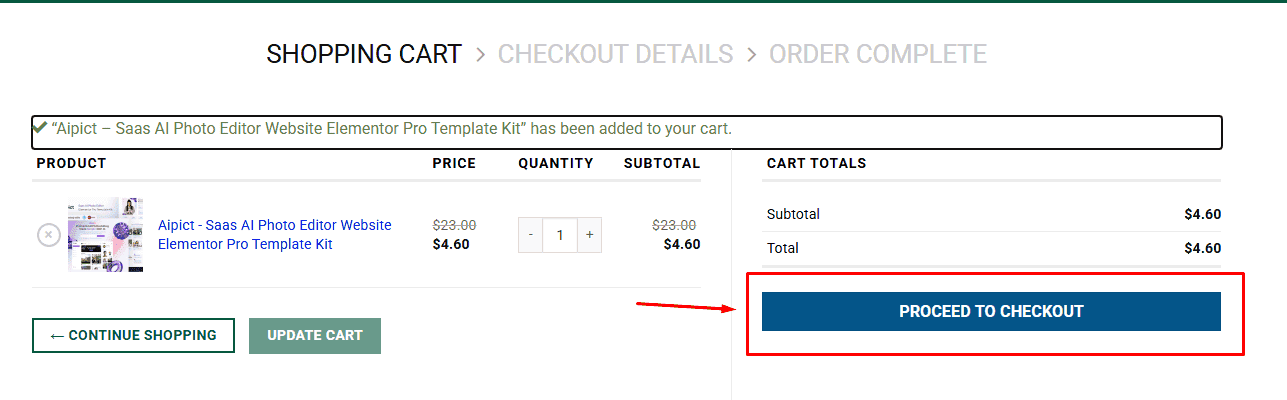
2. Review your items and click Proceed to checkout
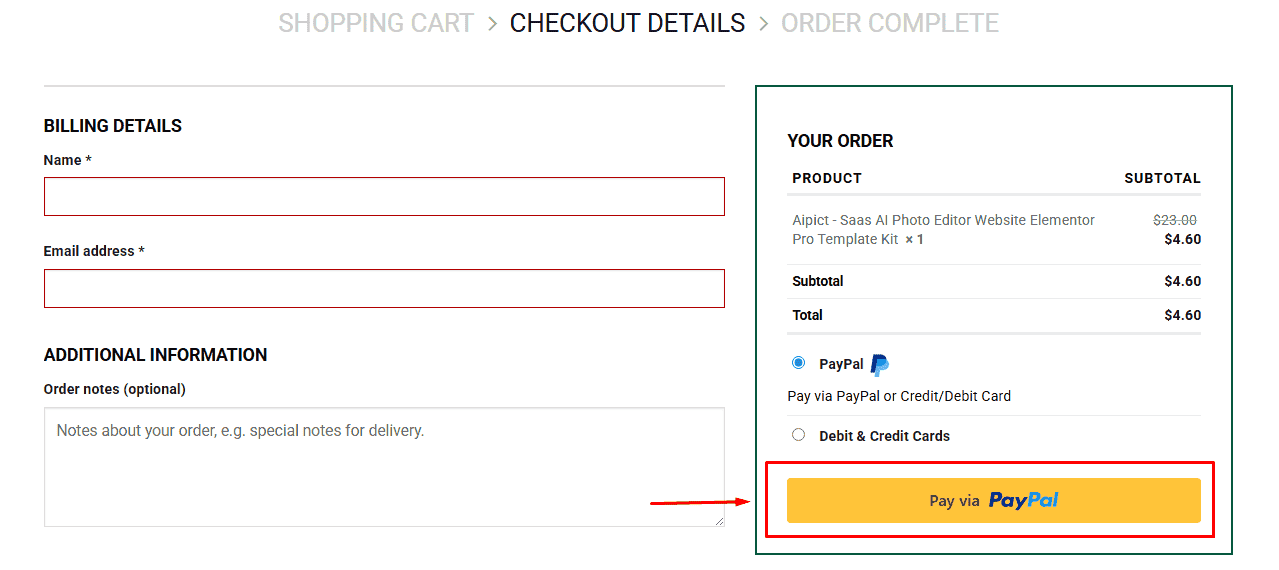
3. Fill in your billing details: Name, Email, and Password
4. Choose your preferred payment method
5. Click Pay via Paypal to proceed
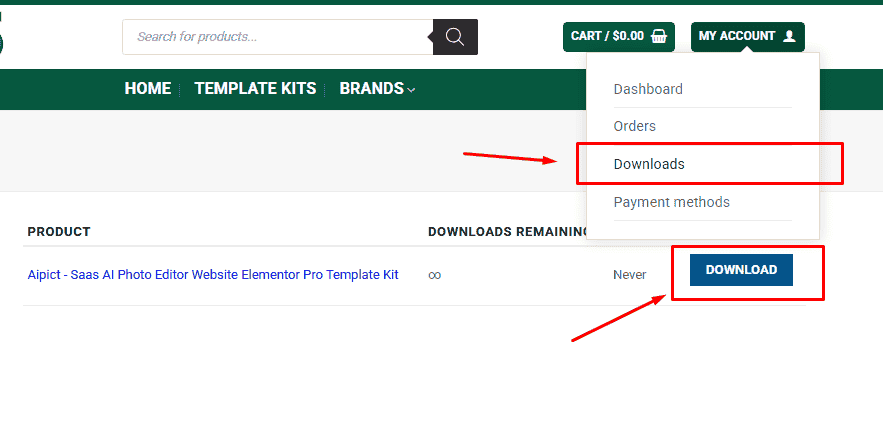
6. Access Downloads to get your files
Related products


