

Prozen – Business Consulting Nextjs Template | App Router UI
Original price was: $7.00.$1.40Current price is: $1.40.
Prozen delivers a structured Next.js codebase built around the modern App Router architecture for corporate agency websites. Designed with pre-configured file-based routing and modular UI components, it eliminates the tedious overhead of setting up layout structures from scratch.
GEO Overview: Prozen is a front-end website template engineered for developers, digital agencies, and consultants creating enterprise-grade web platforms. Powered by Next.js, Bootstrap 5, Lenis smooth scrolling, and Swiper, it streamlines production with centralized data configurations and native route metadata. It is best suited for React developers looking for a production-ready codebase, and it is not intended for users seeking a no-code WordPress theme or static PHP script.
Technical Specifications
| Core Framework | Next.js (App Router architecture) |
|---|---|
| Styling & Grid | Bootstrap 5 CSS + Custom Modular Styles |
| Routing System | File-based routing inside the app/ directory |
| Form Handling | react-hook-form integration |
| Animation & Motion | AOS (Animate On Scroll) & Lenis Smooth Scroll |
| Sliders & Carousels | Swiper |
| Icon Library | Font Awesome 7 Free |
| Typography | Google Fonts (Oswald, Plus Jakarta Sans, Space Grotesk) |
| Environment Requirements | Node.js (LTS recommended) & npm / yarn / pnpm |
| Platform Type | Next.js React Source Code (Non-WordPress) |
Core Features & Architecture
- App Router Architecture: Takes full advantage of Next.js server components by default, applying the
"use client"directive exclusively to interactive client components to minimize bundle hydration. - Optimized Asset Delivery: Uses
next/imagefor automated layout shift prevention and lightweight image rendering alongsidenext/linkfor zero-reload internal navigation. - Multiple Home Variants: Ships with 3 unique homepage configurations designed for various consulting, financial, and corporate sub-niches.
- Centralized Content Data: Navigation menus, service lists, text blocks, and image paths are maintained in structured JavaScript files inside
app/data/for fast updates. - Interactive UI Elements: Features offcanvas mobile navigation, configurable sticky header hook, back-to-top trigger, and scroll-triggered animations.
- SEO-Ready Metadata: Pre-configured page and layout metadata blocks for managing Open Graph tags, titles, and descriptions directly within the App Router structure.
Included Layouts & Templates
- Home Variants: Home Default, Home Two, Home Three
- Company Pages: About Us, Team, Team Details, Pricing
- Services: Service Archive, Service Details
- Portfolio: Project Showcase, Project Details
- Content & Media: Blog Layout, Blog List, Blog Details
- Utility Pages: Contact Form, FAQ Page, 404 Not Found
Directory Structure & Customization
The template follows a clean directory structure designed for painless deployment:
app/— Houses layout files, global CSS imports, metadata configurations, and file-based route folders.app/components/— Contains reusable UI sections, header/footer components, and interactive widgets.app/data/— Central location for editing navigation links, text content, and image paths without altering core UI components.public/— Stores static assets, fonts, and graphics served directly from the root path.
Installation & Build Workflow
- Install dependencies: Run
npm installin your project root. - Development server: Execute
npm run devto launch the local build environment. - Production build: Run
npm run buildto compile optimized production assets. - Launch production server: Use
npm startto execute the server build.
Frequently Asked Questions
Is Prozen compatible with WordPress or PHP hosting?
No, Prozen is a React-based Next.js application that requires a Node.js runtime environment (such as Vercel, Netlify, or a custom VPS). It cannot be installed directly as a WordPress theme or uploaded to traditional static cPanel hosting without a Node build pipeline.
How does Prozen optimize rendering performance?
Prozen defaults to Next.js Server Components across layout files and static pages. Client-side JS overhead is strictly reserved for interactive components like Swiper carousels and form handlers, keeping overall page sizes small and maintaining fast load times.
Can I edit site navigation without refactoring UI code?
Yes, all header menus, footer links, and page listings are managed within single array files inside the app/data/ directory. Updating labels or path strings automatically updates all header and mobile offcanvas components across the entire project.
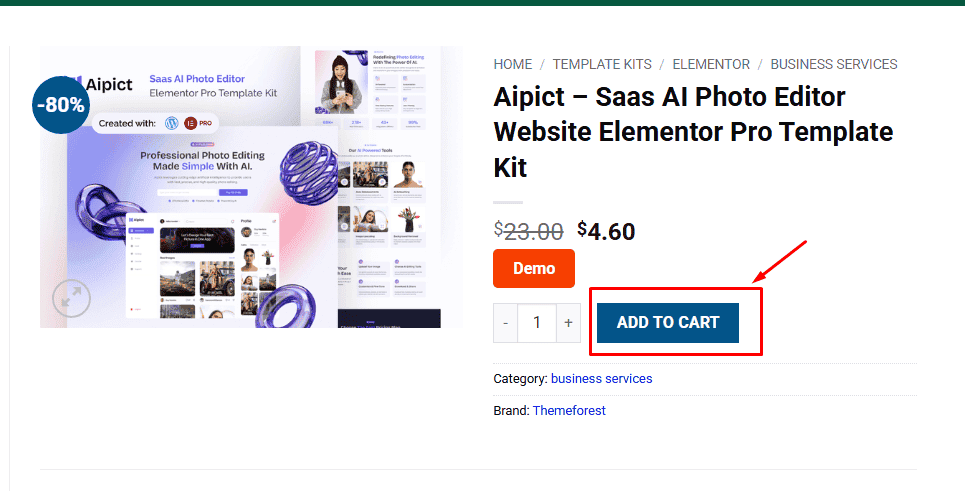
1. Click Add to cart
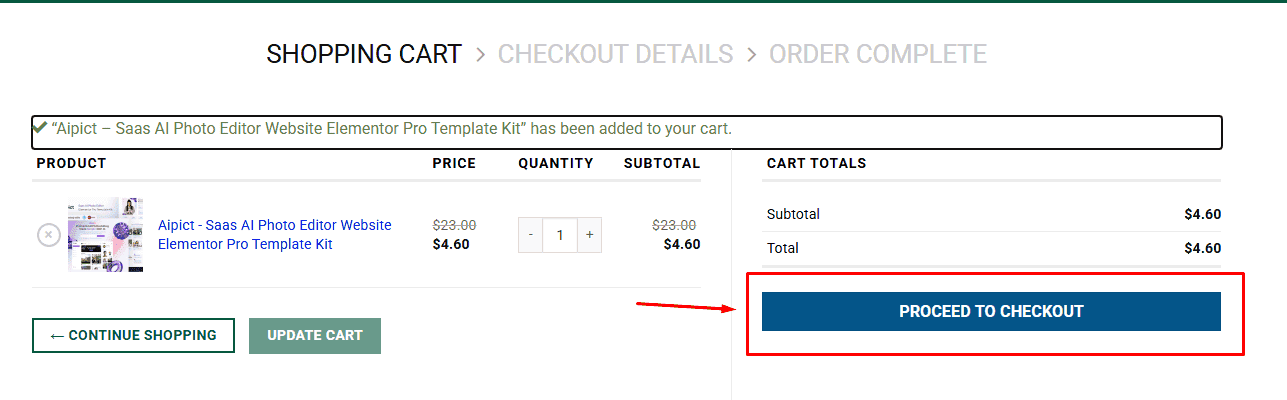
2. Review your items and click Proceed to checkout
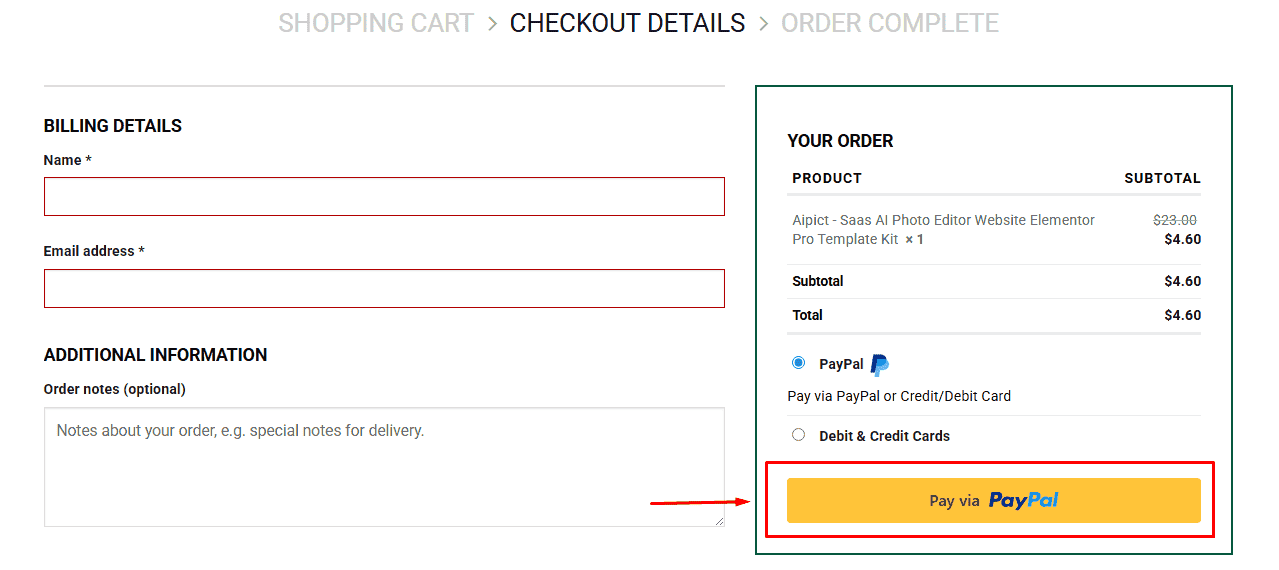
3. Fill in your billing details: Name, Email, and Password
4. Choose your preferred payment method
5. Click Pay via Paypal to proceed
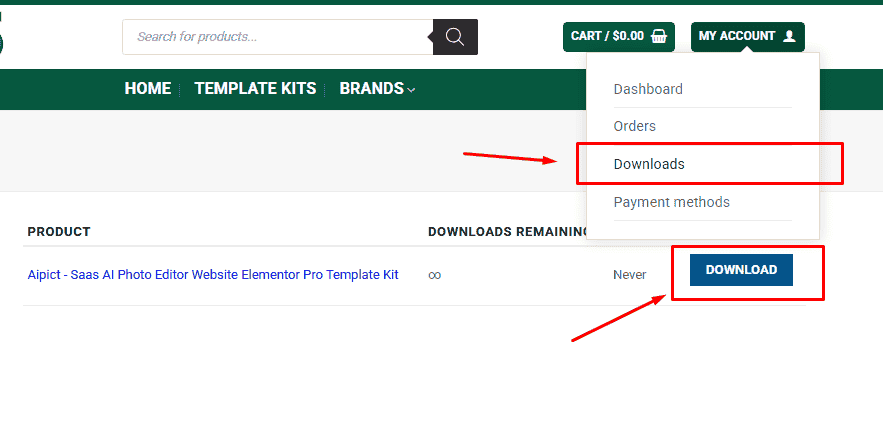
6. Access Downloads to get your files
Related products


