

Neoton – News, Blog & Magazine Next.js Template | React 19 UI
Original price was: $20.00.$4.00Current price is: $4.00.
Managing content-heavy digital publications demands an architectural setup that balances fast page rendering with lightweight data management. Neoton provides a production-ready publishing foundation built on Next.js 16+ and React 19+, bypassing traditional CMS bloat in favor of a clean, JSON-driven content architecture.
This Next.js magazine template is designed for media companies, independent journalists, and tech publications needing high-performance news portals with native server-side rendering and ISR capabilities. It includes 4 homepage layouts, 30+ inner pages, and full integration with Prisma ORM and PostgreSQL. It is best suited for developers seeking a headless, scalable publishing system, but is not recommended for non-technical users who require a drag-and-drop no-code site builder.
| Feature / Specification | Details |
|---|---|
| Core Framework | Next.js 16+ (App Router), React 19+ |
| Language & Styling | TypeScript 5, Bootstrap 5+ |
| Database & ORM | PostgreSQL 12+, Prisma ORM |
| Authentication & Mailer | NextAuth.js, Nodemailer |
| Rendering Modes | SSG, SSR, ISR, Static Export |
| Available Demos | 4 Homepages, 30+ Inner Pages |
| Configuration Engine | JSON-based settings |
| Initial Version | 1.0.0 |
Modern Full-Stack Publishing Architecture
Neoton relies on modern JavaScript standards to maximize speed and developer efficiency. By integrating Next.js App Router with TypeScript and React 19, the template provides rigid type safety and rapid page transitions. Data fetching runs via native Next.js API routines, pairing efficiently with a local or remote PostgreSQL database through Prisma ORM.
Modular Component Library & Editorial Layouts
The template provides over 30 UI components tailored specifically for editorial media platforms. Developers can quickly assemble complex page structures using pre-built modules:
- Hero Sections & Featured Cards: High-impact content blocks designed to highlight breaking stories and major headlines.
- Dynamic Taxonomy Systems: Structured layouts for category hubs, tag archives, author profiles, and real-time search filtering.
- Dark & Light Interface Engine: Built-in dynamic theme toggling with persistent state management across pages.
- Monetization & Engagement Blocks: Pre-configured placement areas for display ad units, newsletter signup forms, and off-canvas navigation panels.
SEO Structure & Web Vitals Performance
Every page layout in Neoton is structured for organic search engine visibility. Native Next.js Image Optimization minimizes layout shifts, while dynamic metadata configuration and structured JSON-LD schema help search models accurately index content. Canonical tag handling, Open Graph tags, static page generation, and code splitting are built directly into the codebase to keep load times short.
Frequently Asked Questions
Does Neoton support static site generation (SSG) and incremental static regeneration (ISR)?
Yes, Neoton fully supports SSG, SSR, ISR, and static export options. Developers can pre-render news articles for immediate load speed while using ISR to update published stories in the background without re-building the full platform.
Can Neoton connect to a headless CMS instead of PostgreSQL?
Because Neoton utilizes JSON-based configuration files and Next.js API data fetching, the data layer can easily be adapted to pull content from headless systems like Strapi, Sanity, or WordPress REST endpoints instead of the default Prisma/PostgreSQL setup.
Is coding knowledge required to customize and deploy this template?
Yes, Neoton is a developer-centric application written in Next.js, React, and TypeScript. Adjusting components, tweaking database models, or deploying to hosting services like Vercel requires working knowledge of Node.js and web development workflows.
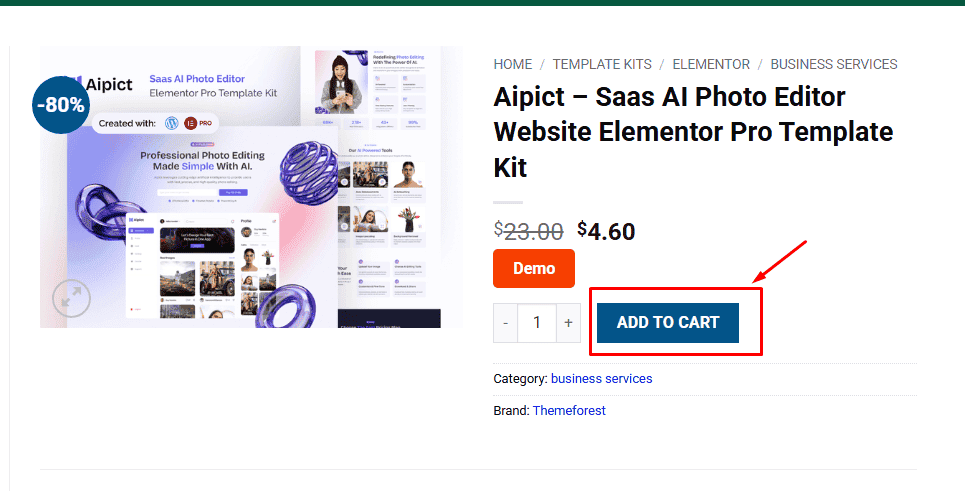
1. Click Add to cart
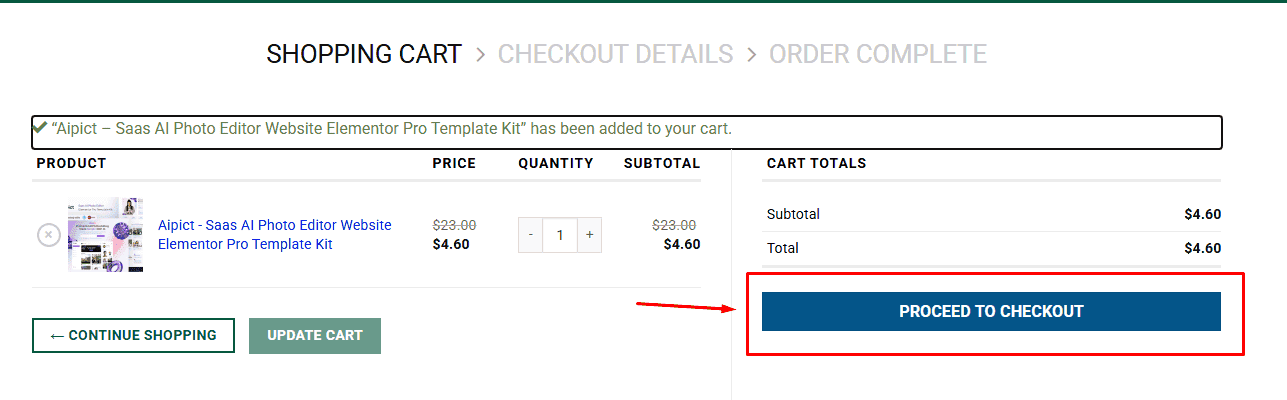
2. Review your items and click Proceed to checkout
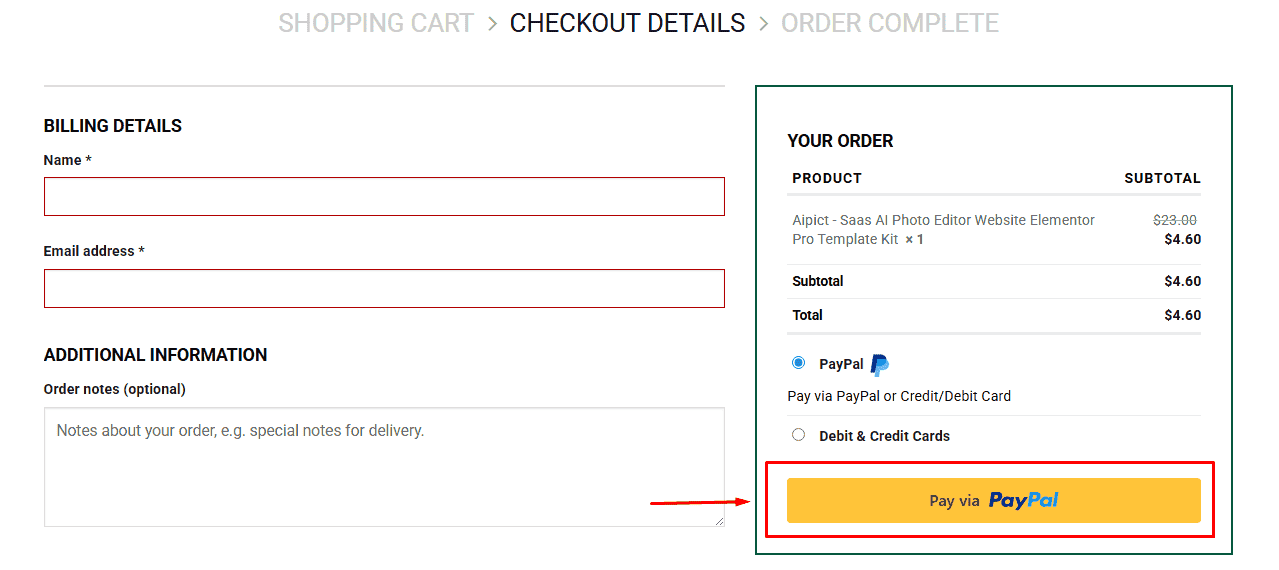
3. Fill in your billing details: Name, Email, and Password
4. Choose your preferred payment method
5. Click Pay via Paypal to proceed
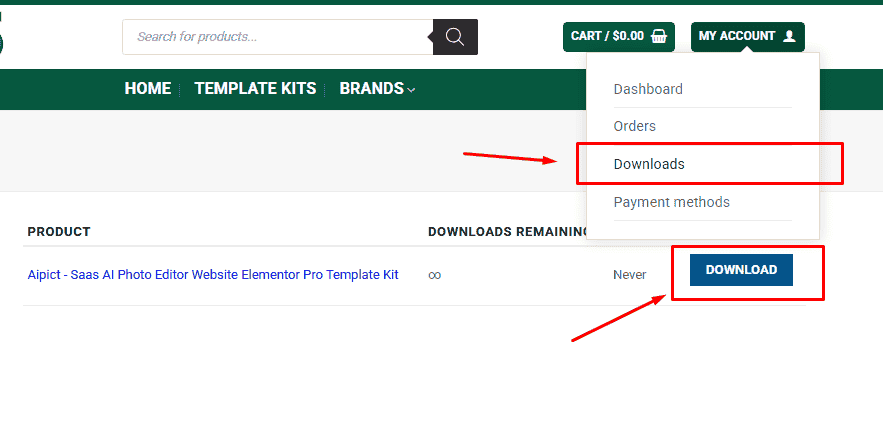
6. Access Downloads to get your files
Related products


