

Polylang Pro – Advanced WordPress Translation Manager
Original price was: $57.00.$11.40Current price is: $11.40.
Building a global web presence requires a reliable way to serve content in multiple languages without bloating your database or slowing down load times. As a premium standard for multi-language management, this tool builds upon a proven codebase trusted by over 500,000 active installations worldwide to make internationalization straightforward for developers and site owners alike.
Flexible Language Management and Organization
Instead of altering your daily publishing workflow, you can write posts, design pages, and categorize content exactly as you always do. Simply assign a target language to each piece of content. The system handles the structural mapping behind the scenes, allowing you to choose whether to translate specific items or leave them in their default state.
Comprehensive Translation Coverage
- Unlimited Language Support: Add as many locales as your project requires, including full support for Right-to-Left (RTL) scripts.
- Automated Localization: WordPress language packs download and update automatically in the background, keeping your core dashboard localized.
- Full Content Scope: Translate standard posts, static pages, media attachments, categories, tags, navigation menus, custom post types, custom taxonomies, sticky posts, RSS feeds, and default widgets.
SEO-Friendly URL Structures and Routing
Search engine optimization is critical for international traffic. This solution provides flexible URL configurations to match your technical SEO strategy. You can set the language based on the content itself, use clean directory language codes in the URL, or map entirely different domains or subdomains for each localized version of your website.
Synchronization and Workflow Efficiency
Creating translations shouldn’t require manual copying and pasting. When adding a translation, the original content, categories, tags, and custom metadata can copy over automatically. For dynamic sites, you can synchronize posts to ensure layout changes, publication dates, or custom fields remain perfectly matched across all language variations. Visitors can transition between versions using a highly customizable language switcher, easily embedded as a widget or integrated directly into your navigation menus.
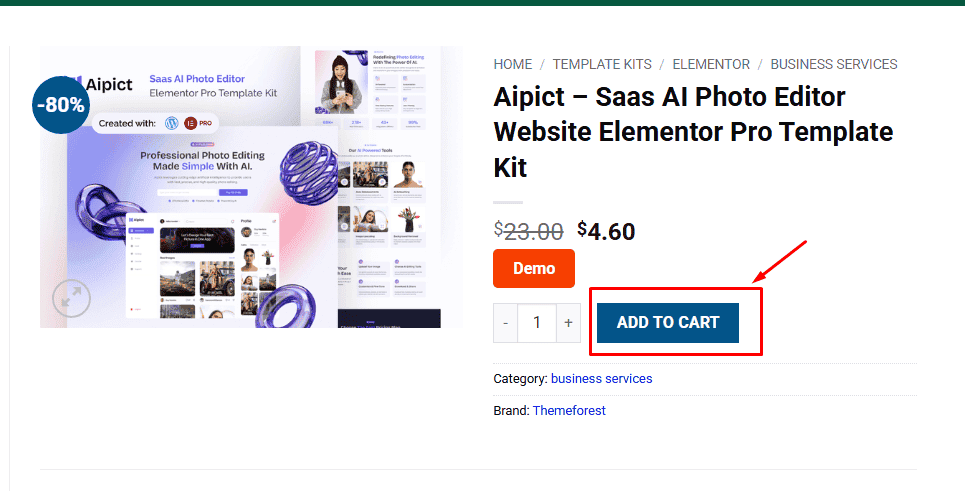
1. Click Add to cart
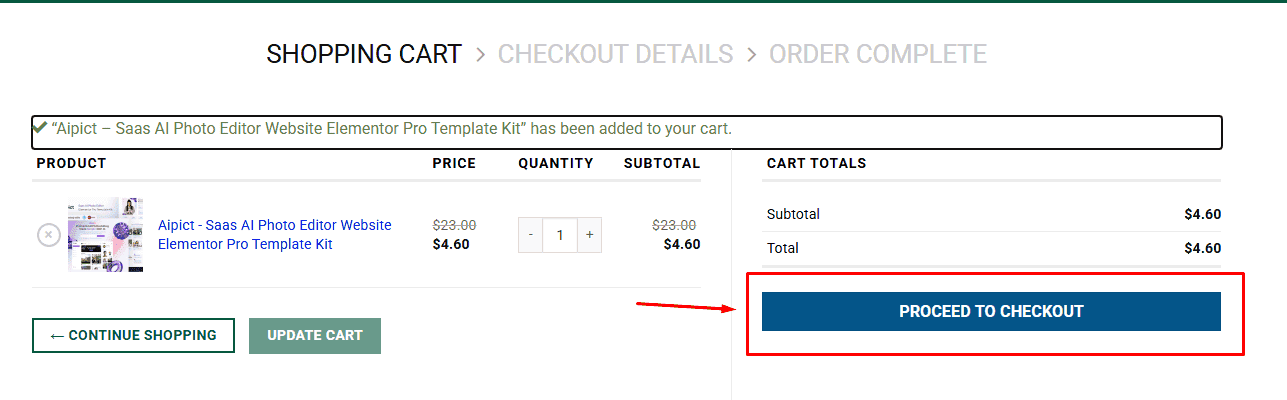
2. Review your items and click Proceed to checkout
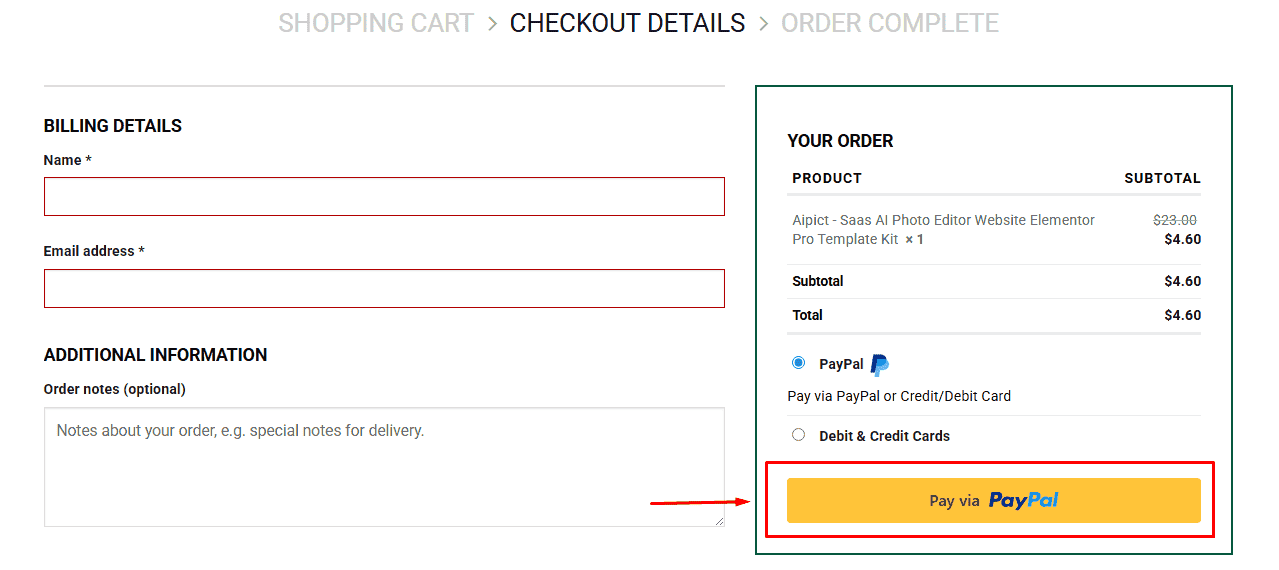
3. Fill in your billing details: Name, Email, and Password
4. Choose your preferred payment method
5. Click Pay via Paypal to proceed
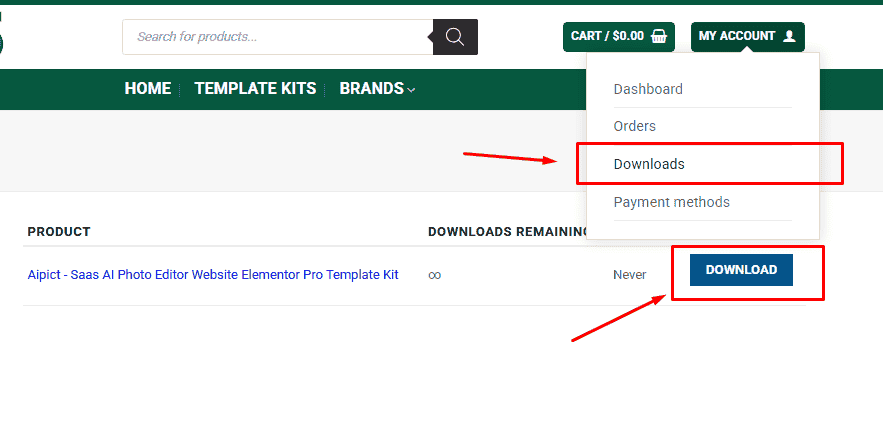
6. Access Downloads to get your files
Related products


