
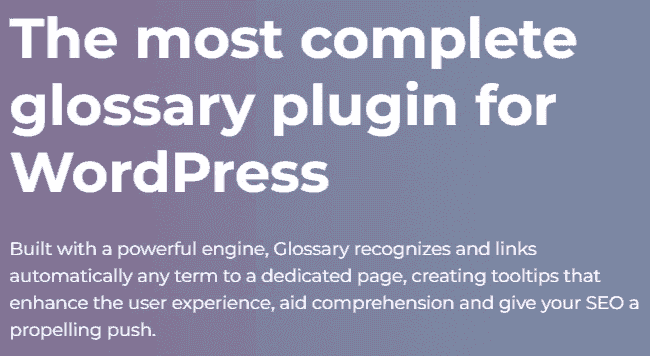
GLOSSARY BY CODEAT (PRO) – WordPress Tooltip & Dictionary Plugin
Original price was: $46.00.$9.20Current price is: $9.20.
Building a comprehensive internal linking structure manually often consumes hours of valuable development and editorial time. Implementing a structured vocabulary on your website is an excellent strategy to enhance reader retention, clarify complex terminology, and boost search engine crawlability. This plugin automates the entire process, turning standard articles into an interactive, highly navigable resource center.
By scanning your posts and pages, the system automatically identifies specified terms and pairs them with elegant, hover-triggered informational tooltips. All defined words are organized into a central directory or dictionary section, establishing automatic internal links without requiring manual intervention from your editorial team.
Versatile Applications Across Diverse Niches
Whether you manage a specialized portal or a high-traffic e-commerce store, automating your site’s terminology offers immediate practical advantages:
- E-Commerce Optimization: Provide immediate technical specifications or usage instructions for complex products, and guide users toward related merchandise directly from your informational pages.
- Niche Encyclopedias & Fan Sites: Build deep, interconnected digital reference guides for complex topics, pop culture sagas, or technical documentation with minimal structural overhead. See this demo to observe the system in action.
- Affiliate Marketing Monetization: Embed affiliate URLs and promotional descriptions directly into your term definitions. This converts standard informational hover cards into active conversion points.
Core Engine and General Capabilities
The standard version provides a robust set of tools designed to link key terms automatically to a pre-configured database of definitions. It operates smoothly alongside both the Classic WordPress Editor and Gutenberg block structures.
- Targeted Execution: Choose exactly where the linking engine runs—apply it globally, or restrict it to specific pages, archives, custom post types, or taxonomies.
- Flexible Visual Styles: Highlight linked terms with custom hover effects, or apply one of three pre-designed tooltip templates to match your theme’s aesthetic.
- Navigation Controls: Route terms to internal landing pages or external resources, complete with custom icons to indicate outbound links.
- Broad Ecosystem Compatibility: Works flawlessly alongside popular tools including Yoast SEO, Elementor, Bricks Builder, Ninja Forms, Fixed TOC, Easy Table of Contents, YARPP, User Role Editor, Polylang, and WPML.
- Advanced Integrations: Features direct compatibility with Gutenberg blocks and built-in ChatGPT integration (utilizing your own OpenAI API Key) to assist in generating definitions.
- Easy Migration: Smoothly import existing data from the CM Glossary Tooltip plugin without losing your historical definitions.
- Interactive Widgets: Enhance sidebar navigation using the dedicated Search Bar, Latest Terms, and Category widgets.
For basic troubleshooting and setup assistance, refer to the documentation or head over to the dedicated WordPress support forum.
Advanced Capabilities in the Professional Edition
The PRO version of Glossary by Codeat expands upon the core engine, introducing precise behavioral controls and styling options to handle complex editorial requirements.
- Granular Mobile Controls: Customize how tooltips behave on touchscreens and mobile viewports to prevent layout breakages.
- Automatic Footnotes: Generate structured, academic-style footnotes at the bottom of your articles based on the terms used in the body text.
- Case-Sensitive Matching: Ensure precise term matching by distinguishing between capitalized proper nouns and lowercase general terms.
- Frequency Limitations: Prevent over-linking by restricting anchor generation to only the first occurrence of a term per page, or the first occurrence of any term on the entire page.
- Self-Linking Prevention: Automatically disable term links on their own dedicated description pages to avoid circular redirect loops.
- Visual Index Blocks: Deploy a fully customizable, alphabetically ordered glossary index block compatible with major page builders like Gutenberg, Elementor, Fusion Builder, Divi, Beaver Builder, and SiteOrigin.
- Custom Fields & ACF Integration: Append custom metadata to your terms and read fields directly via Advanced Custom Fields (ACF) integration.
- Developer Shortcodes: Utilize advanced shortcodes to parse content accurately when working inside complex visual composers or legacy page builders.
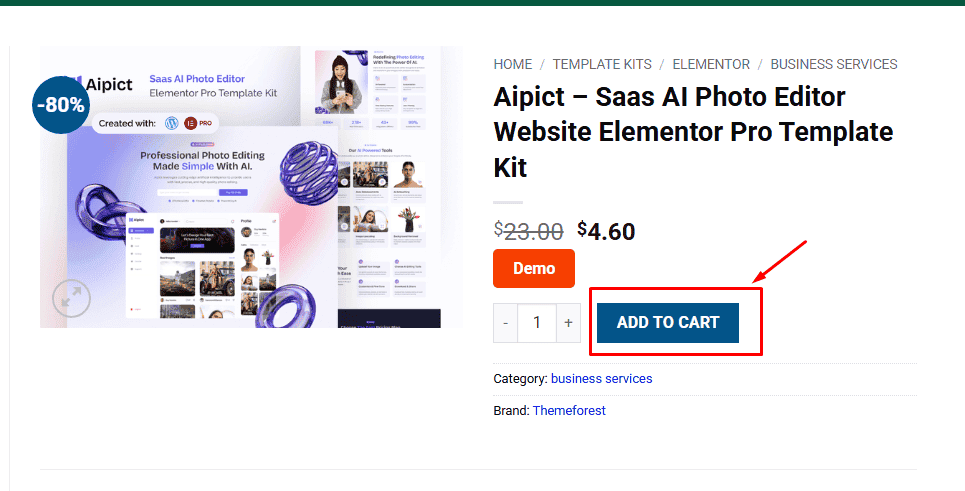
1. Click Add to cart
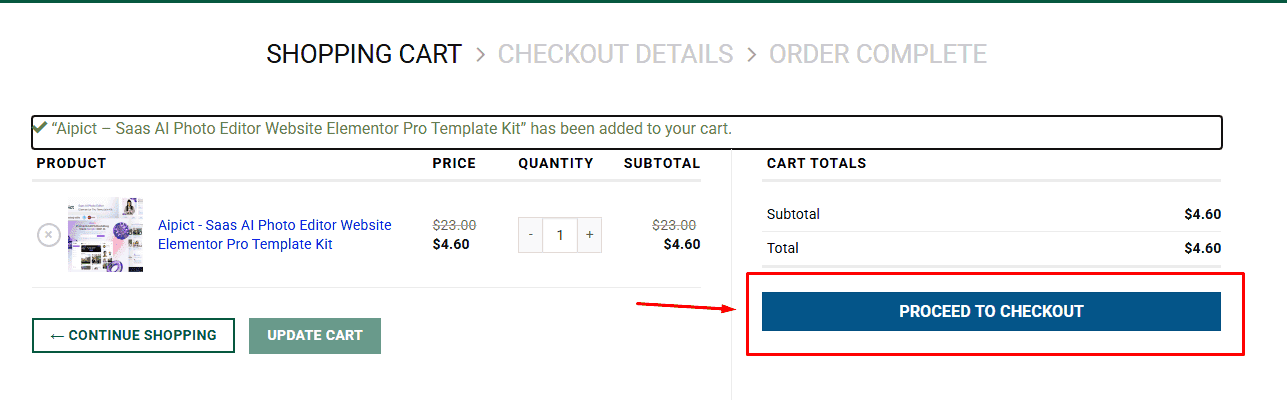
2. Review your items and click Proceed to checkout
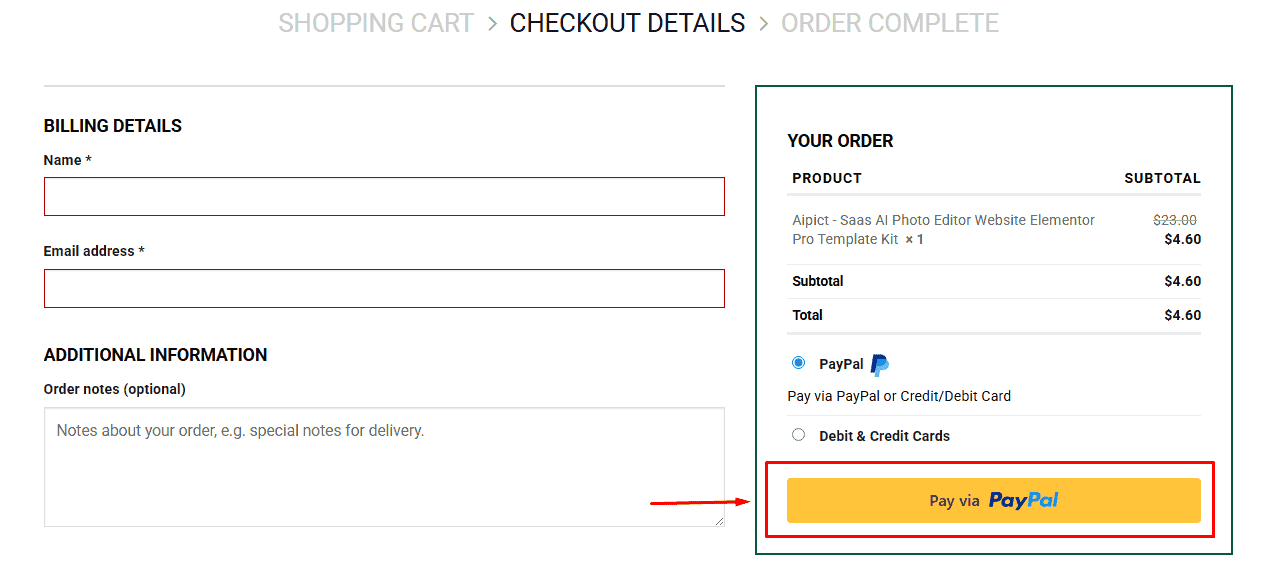
3. Fill in your billing details: Name, Email, and Password
4. Choose your preferred payment method
5. Click Pay via Paypal to proceed
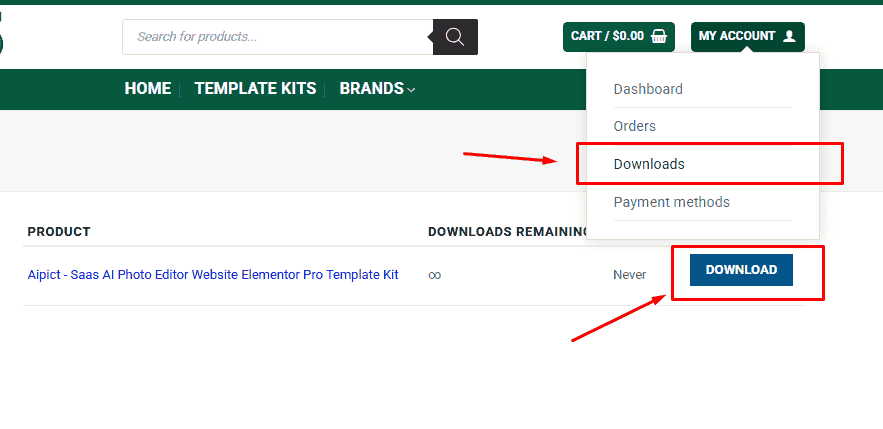
6. Access Downloads to get your files
Related products


