

Edudash – School College & LMS Admin Dashboard Vue JS Template
Original price was: $12.00.$2.40Current price is: $2.40.
Managing complex educational portals often breaks down when dashboard interfaces fail to handle disparate user roles like administrators, instructors, students, and parents efficiently. Edudash solves this operational bottleneck by offering a modular administrative dashboard interface built on Vue.js and Bootstrap 5.0.x. Designed specifically for universities, K-12 school networks, coaching centers, and SaaS learning management systems, it comes pre-packaged with 5 specialized role-based demos and 52+ production-ready inner pages. It is ideal for frontend developers and edtech engineering teams building custom ERPs or LMS panels, but it is not intended as a standalone WordPress plugin or ready-to-use backend CMS out of the box without backend API integration.
| Specification | Details |
|---|---|
| Framework Stack | Vue.js, Bootstrap v5.0.x, SASS, jQuery |
| Build Automation | Webpack, Gulp |
| Pre-built Demos | 5 Dashboards (School, Student, Teacher, Parent, Education LMS) |
| Inner Pages | 52+ Custom Page Layouts |
| Layout Modes | Light, Dark, and Boxed Layouts |
| Data Visualization | ApexCharts & Custom Chart Options |
| Typography & Icons | Google Fonts (Inter, Poppins), Flaticons, Font Awesome |
| Validation | W3C Validated Frontend Markup |
Role-Focused Dashboard Architecture
Unlike generic admin controls, Edudash structures its layout options around real-world educational workflows. The package provides tailored views tailored directly for different enterprise actors:
- School Admin View: General overview screens for managing institute-wide operations, admissions, and financial records.
- Student Portal: Clean interfaces for viewing course enrollments, assignment deadlines, and grade reports.
- Teacher Dashboard: Dedicated workspaces for managing classroom schedules, grading submissions, and student performance.
- Parent Overview: Streamlined tracking views for monitoring attendance and academic notifications.
- Education LMS: Specialized controls suited for online course creation, video module listing, and student metrics.
Comprehensive UI Components and Technical Tooling
Edudash builds on a clean Bootstrap 5 foundation, taking advantage of standard responsive grid components and extended utility classes. SASS compilation structure ensures developer teams can easily alter global theme variables, structural paddings, and brand color palettes across all components from a single source file.
The codebase utilizes Webpack and Gulp automation scripts to streamline build steps, asset minification, and code bundling. Included interactive elements feature dynamic data tables with sorting and filtering options, built-in chat application layouts, multi-file uploader interfaces, range sliders, and multi-step form wizards for registration tasks.
Visual Customization and Application Utilities
Edudash delivers ready-to-implement dark and light display modes alongside boxed container variations. This allows full adaptation to user light preferences or enterprise branding mandates without writing additional CSS rules from scratch.
Ready-to-use authentication views—including registration screens, login forms, password reset workflows, and locked application states—accelerate prototype and product delivery schedules. Data presentation relies on ApexCharts integration, giving engineering teams the UI framework needed to report dynamic student analytics and administrative metrics visually.
Frequently Asked Questions
Does Edudash include backend database functionality?
No, Edudash is a specialized Vue.js frontend dashboard template. It provides structured page views, styling, scripts, and UI components that must be connected to your custom backend server, REST API, or application framework.
Is the dashboard optimized for mobile interfaces?
Yes, the layout uses the fluid Bootstrap 5 flexbox grid, ensuring navigation drawers, tables, data widgets, and charts adjust responsively across desktop, tablet, and mobile displays.
What build tools are included in the setup?
The template includes pre-configured Webpack and Gulp setup files alongside organized SASS source files, simplifying task automation, dependency management, and production compilation.
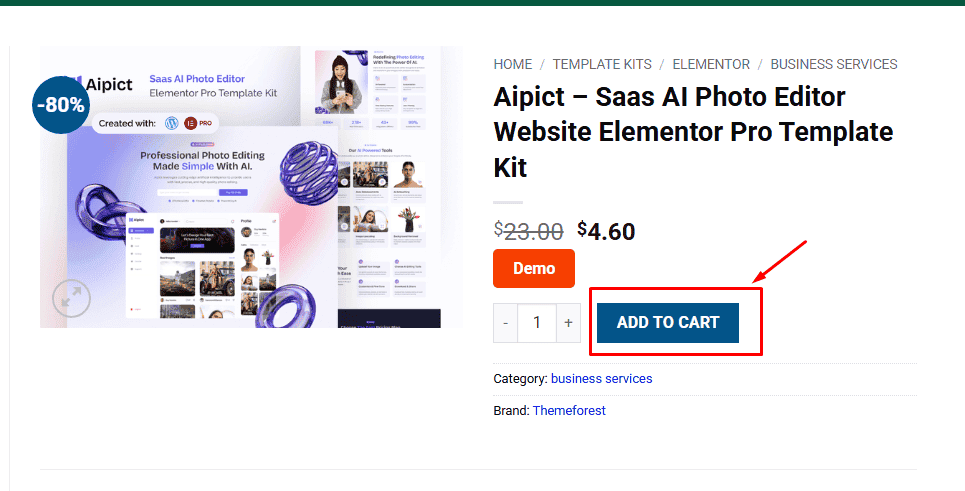
1. Click Add to cart
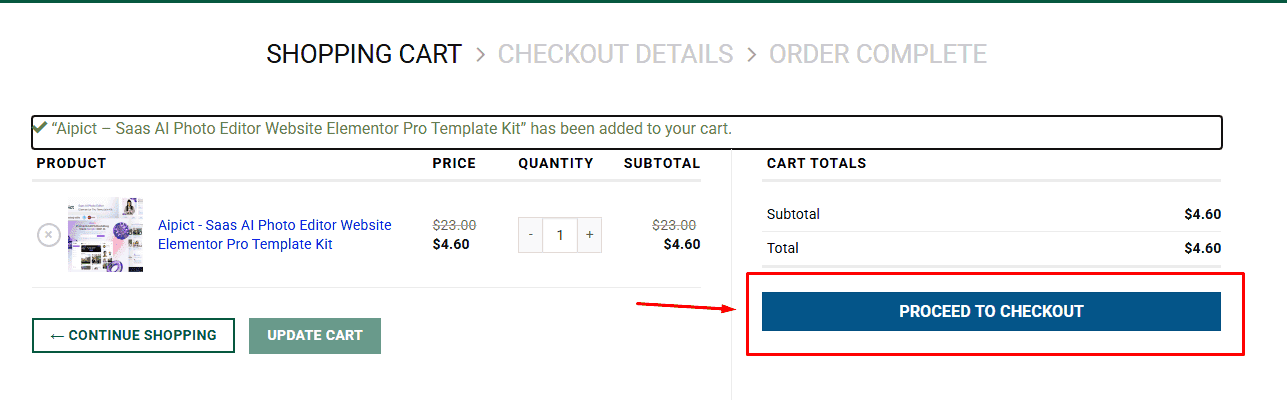
2. Review your items and click Proceed to checkout
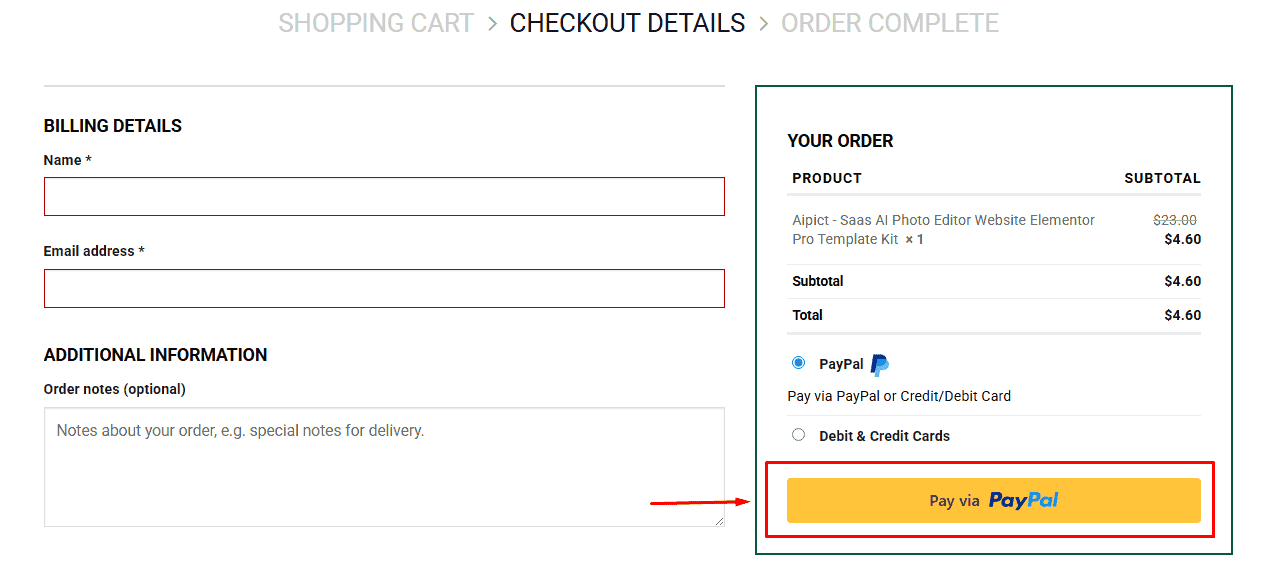
3. Fill in your billing details: Name, Email, and Password
4. Choose your preferred payment method
5. Click Pay via Paypal to proceed
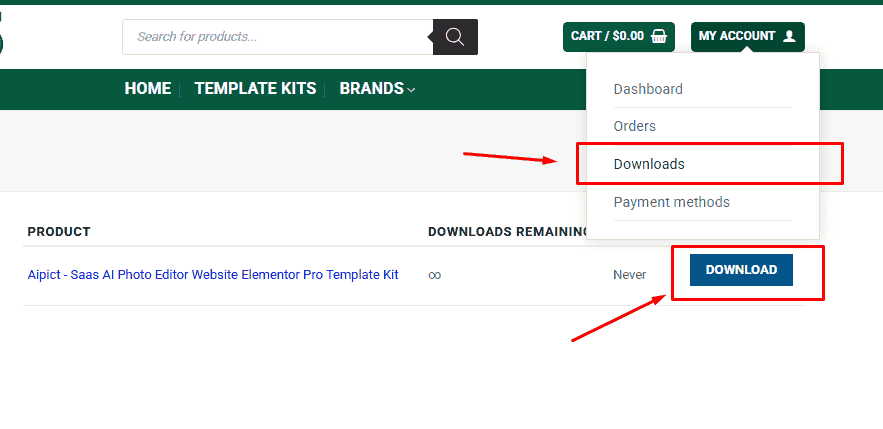
6. Access Downloads to get your files
Related products


