

Alix: Multi Purpose PWA Mobile App Template – Material Design UI
Original price was: $24.00.$4.80Current price is: $4.80.
Building hybrid web applications often requires constructing modular user interfaces from scratch, consuming significant frontend engineering time. Alix is a comprehensive Progressive Web App (PWA) mobile UI template constructed with the Materialize CSS framework. It provides frontend developers, UI designers, and agencies with 13 ready-to-use niche application modules and over 250 pre-designed demo pages. This solution is ideal for developers seeking a lightweight, responsive Material Design foundation for web applications; however, it functions as a static HTML/CSS/JS frontend kit rather than a backend-driven software system with native database integrations.
Technical Specifications
| Specification | Details |
|---|---|
| Frontend Framework | Materialize CSS (Material Design) |
| PWA Integration | Progressive Web App Ready (Dedicated pwa.js script) |
| Inbuilt App Modules | 13 Functional Application Views |
| Demo Pages | 250+ Built-in UI Screen Templates |
| Color Schemes | 15 Integrated Color Themes |
| Display Modes | Light Mode & Dark Mode with Header Toggle Switch |
| Header Layouts | 4 Variations (Centered, Left, Right, App Style) |
| Footer Layouts | 3 Variations (Centered, Left, Minimal) |
| Graph & Chart Library | Echarts Integration (Bar, Line, Donut, Scatter, Funnel) |
| Iconography & Typography | Material Design Vector Icons & Google Fonts (Raleway) |
| Template Version | v1.1 (CSS variables & strict equality optimization) |
Pre-built Application Modules
Alix comes bundled with 13 dedicated application templates catered to specific functional requirements. Developers can immediately deploy user interface flows for various business models without designing layouts from scratch:
- Ecommerce App: Grid and list product views, category filters, wishlist, cart, invoice, and payment complete pages.
- Social Media App: Activity feeds, user profiles, timeline views, follower lists, and friend management interfaces.
- Chat & Messaging App: Individual messaging layouts, group chat rooms, and video call view structures.
- Online Courses & University Apps: Course grids, department listings, student/teacher rosters, and class detail views.
- Payment & Wallet App: Credit and debit transaction histories, utility bill pay views, and payment input interfaces.
- News & Blog Apps: Single-column, grid, and masonry publication layouts with newsletter subscription blocks.
- Events & Calendar App: Interactive event booking, timeline management, calendar views, and scheduling forms.
- Mailbox & Contacts Apps: Inbox listings, mail composition interfaces, contact books, and phone action views.
- Portfolio App: Display configurations ranging from 1 to 3 columns across standard, full-width, and masonry layouts.
Core Architecture and Customization Options
The codebase relies on modern web standards to deliver responsive, app-like performance on touch devices. The Progressive Web App implementation ensures reliable loading behavior, caching strategies, and fast transition rendering for home screen deployment.
Flexible UI Customization
Alix features 15 distinct color themes paired with dedicated Light and Dark modes, accessible through an integrated header switch. The layout system offers 4 header styles and 3 footer configurations, which can be modified independently across light, dark, or colored navigation menu themes.
Data Visualization & UI Components
Analytical interfaces benefit from built-in Echarts integration. The template includes configured line charts, stacked bar charts, scatter plots, donut gauges, and funnel graphs. Additional UI assets include expandable panels, popout modals, touch-enabled carousels, date/time pickers, and various form input controls.
Frequently Asked Questions
Is the Alix mobile template responsive across non-mobile viewports?
Yes. While Alix is specifically structured for mobile screens and touch interactions, its underlying Materialize grid allows all layouts to render clearly on tablet and desktop monitors.
Does Alix require a backend server setup to display pages?
No. Alix is provided as a frontend static HTML, CSS, and JavaScript UI template kit. Developers can plug the interface components directly into any backend language, API, or web framework of their choice.
How are dark mode and custom color palettes configured?
Dark mode styling is managed via modular CSS variables and a header switch script. Developers can enforce a default display setting globally or allow end-users to toggle between the 15 bundled color palettes dynamically.
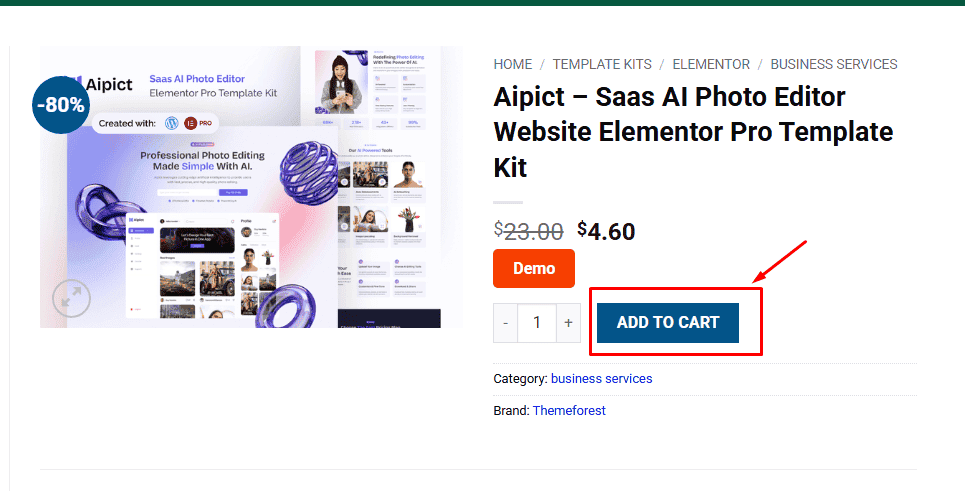
1. Click Add to cart
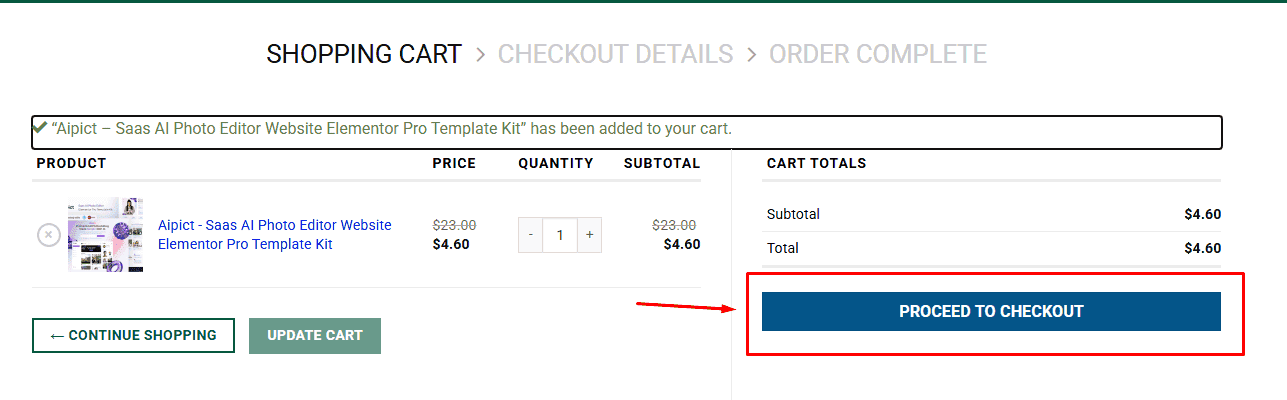
2. Review your items and click Proceed to checkout
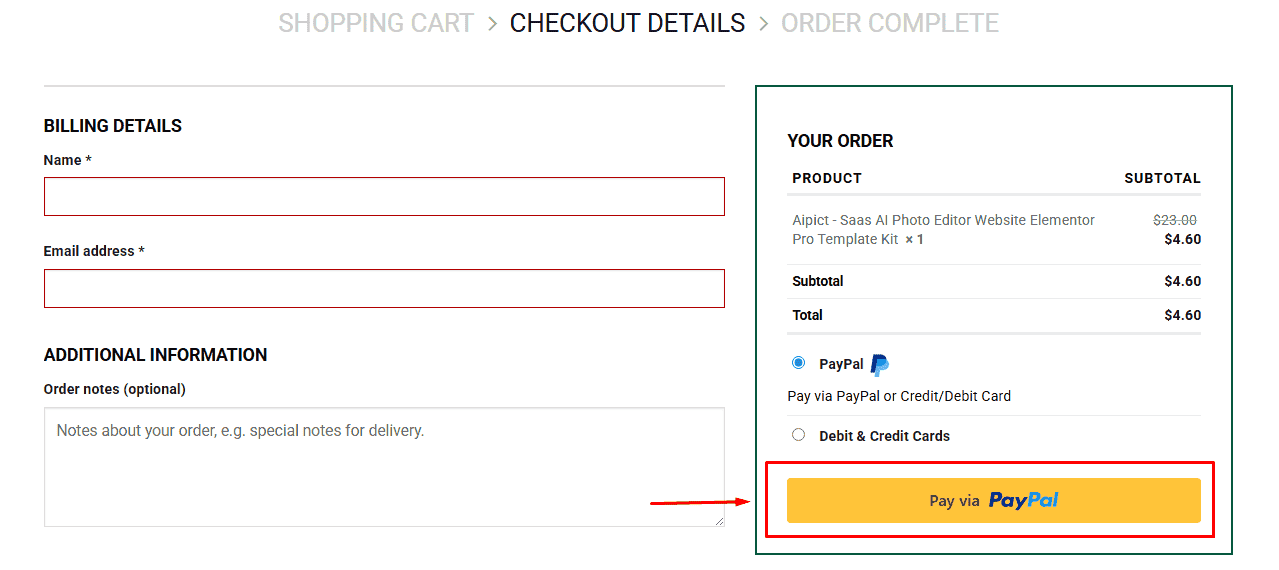
3. Fill in your billing details: Name, Email, and Password
4. Choose your preferred payment method
5. Click Pay via Paypal to proceed
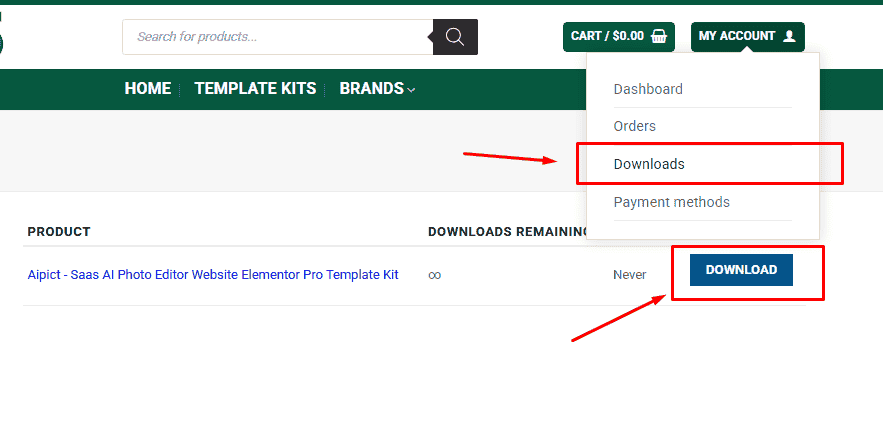
6. Access Downloads to get your files
Related products


